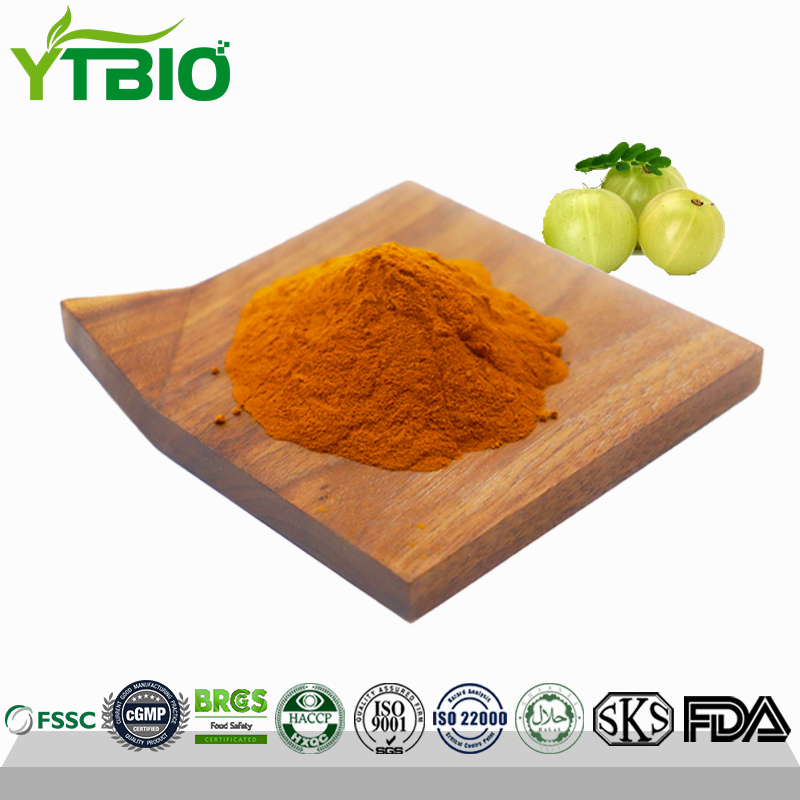
Alcoholic liver disease (ALD) is one of the most widespread health problems associated with modern lifestyles. Excessive alcohol consumption burdens the liver, which is responsible for metabolizing alcohol into less toxic substances. However, during this process, harmful byproducts such as acetaldehyde and reactive oxygen species (ROS) are produced, leading to oxidative stress, inflammation, and ultimately, liver cell damage. In the search for effective and natural liver protectants, Phyllanthus emblica extract—commonly known as amla extract—has gained significant attention.
Content
The Role of the Liver in Alcohol Metabolism
The liver is the body’s detoxification center, and its ability to neutralize toxins determines our metabolic health. When alcohol enters the body, it is metabolized by the enzyme alcohol dehydrogenase (ADH) into acetaldehyde—a highly toxic compound. Acetaldehyde is then converted to acetate by aldehyde dehydrogenase (ALDH). However, excessive alcohol intake overwhelms this system, leading to acetaldehyde accumulation, oxidative stress, and fat deposition in liver cells.
Amla extract is a rich source of polyphenols, flavonoids, and vitamin C, which work synergistically to protect the liver from alcohol-induced injury. The extract neutralizes free radicals, enhances antioxidant enzyme activity, and reduces lipid peroxidation—a process that damages liver cell membranes.
1. Reduces Oxidative Stress
Studies have shown that amla extract boosts the liver’s antioxidant defense by elevating superoxide dismutase (SOD), catalase, and glutathione (GSH) levels. These enzymes help neutralize ROS, minimizing cellular damage.
2. Inhibits Inflammation
Amla extract suppresses pro-inflammatory cytokines such as TNF-α and IL-6, reducing inflammation and protecting hepatocytes from immune-related injury.
3. Prevents Fatty Liver
The extract helps regulate lipid metabolism by reducing triglyceride accumulation, thereby preventing alcoholic fatty liver formation.
4. Stabilizes Liver Function
Clinical and animal studies have demonstrated that amla extract can lower serum ALT and AST levels—biochemical indicators of liver injury—showing improvement in liver function.
Phyllanthus emblica extract can be used in functional foods, dietary supplements, and liver support formulations. It is particularly beneficial for individuals exposed to alcohol, high-fat diets, or environmental toxins. Amla-based formulations also support detoxification, digestion, and immunity.
Frequently Asked Questions (FAQs)
1. What is the main benefit of Phyllanthus emblica extract for the liver? It protects liver cells by reducing oxidative stress and inflammation caused by alcohol.
2. Can I take amla extract daily? Yes, moderate daily use is generally safe and beneficial for overall liver health.
3. Does it help with non-alcoholic fatty liver disease? Yes, research suggests amla extract may also help regulate lipid metabolism and prevent fat buildup.
4. How soon can results be observed? Improved liver enzyme levels and antioxidant activity may be seen within a few weeks of consistent use.
5. Are there any side effects? Amla extract is natural and well-tolerated when consumed within recommended dosages.
6. How is it commonly used? It is often used in capsules, powders, or beverages as part of liver detox or antioxidant supplements.
Alina Smith is a health blog author with an interest in the intersection of wellness and mental health. She’s worked as a writer, editor, and communications specialist for various healthcare organizations. Alina has also led projects to improve access to care for underserved populations in both rural and urban settings.