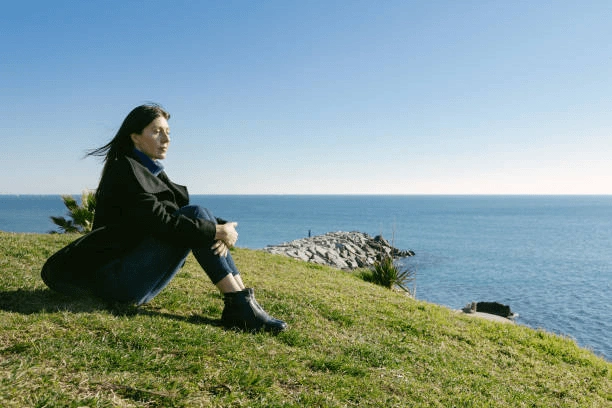
Can time by the sea help your body and mind feel steady again?
For many people, the answer is yes. Coastal environments can support recovery in a calm, practical way because they combine fresh air, natural light, open space, gentle movement, and a break from daily pressure.
Time near the coast does not replace medical care, but it can support healing by lowering stress, helping people move more, and making rest feel easier. Research on physical activity, blue spaces, and nature exposure also points in the same direction: water-rich natural settings are linked with better mood, lower anxiety, improved sleep, and stronger overall well-being.
Content
Why Coastal Settings Feel Restorative
The coast helps recovery because it reaches more than one aspect of health at the same time. A person is not only looking at water. They are also stepping away from noise, breathing more deeply, walking more naturally, and giving the nervous system a softer setting. That combination can feel deeply calming after stress, illness, burnout, or emotional strain. Studies on blue spaces suggest that coastal areas can support mental health and well-being, while broader research on nature exposure links natural settings with better mood, lower blood pressure, healthier sleep, and improved attention.
Calmer Stress Response
One reason the coast feels healing is its steady sensory pattern. Waves move in a slow rhythm, the horizon looks open, and the sound of water can reduce mental overload. When the brain has fewer harsh inputs to process, people often feel less tense and more emotionally settled. This matters during recovery, because stress can drain energy, disturb sleep, and make it harder to stay consistent with healthy habits. Nature exposure research has linked natural environments with better mental health and lower stress-related strain.
Easier Physical Activity
Recovery often improves when movement feels manageable instead of forced. Coastal areas invite light activity such as walking, stretching, slow jogging, and controlled breathing. A beach walk may look simple, yet it can support heart health, mood, circulation, and stamina. Health guidance from WHO and the NHS shows that regular physical activity and walking support both mental and physical health, including lower symptoms of anxiety and depression, and better overall fitness.
Better Sleep And Mental Reset
Many people in recovery struggle with restless sleep and a racing mind. Coastal time can help by adding daylight exposure, gentle exercise, and a quieter evening routine. Those small shifts can help the body feel ready for rest at night. Research reviews on nature exposure have found links with healthier sleep and better cognitive function, which are both important for recovery after long periods of stress.
How To Use Coastal Time For Recovery
The coast is most helpful when people use it with intention. Recovery is rarely about one dramatic moment. More often, it builds through simple actions repeated with care. A short walk, a few minutes of stillness, or regular time outdoors can make a real difference when practiced consistently.
Walking With Purpose
Walking near the shore can support recovery because it is gentle, steady, and easy to adjust. Some people walk for movement. Others walk to think clearly or to settle difficult emotions. Both approaches can help. The key is to keep the pace comfortable and let the body relax into it. For people in structured healing settings, Malibu rehab is one example often linked with coastal routines, yet the real value comes from calm surroundings and healthy daily habits rather than any label or image.
Breathing And Reflection
Coastal air and open views can make breathing exercises feel more natural. A person might sit quietly, slow the breath, and allow the mind to settle for a few minutes. This can support emotional control and help reduce the feeling of being constantly rushed. It is a small act, but small acts done often can rebuild inner stability.
Gentle Social Connection
Recovery can feel lonely, and the coast can make connections feel less heavy. Walking with a friend, sitting quietly with a family member, or joining a simple outdoor routine can support emotional strength without pressure. That matters because healing often improves when people feel safe, seen, and less alone.
Final Thoughts
Coastal environments support mental and physical recovery clearly and humanely. They offer calm, movement, daylight, rest, and breathing room at the same time. That is why time by the sea can feel so uplifting after stress, illness, or emotional fatigue. It is not magic, and it is not a cure on its own. Still, when paired with healthy routines and proper care, the coast can be a strong part of the recovery process.
Alina Smith is a health blog author with an interest in the intersection of wellness and mental health. She’s worked as a writer, editor, and communications specialist for various healthcare organizations. Alina has also led projects to improve access to care for underserved populations in both rural and urban settings.